

Breast Fillers Market Size and Forecast (2026 - 2034), Global and Regional Growth, Trend, Share and Industry Analysis Report Coverage; Type (Hyaluronic acid and Others), Age Group (18 to 34 years, 35 to 50 years, and Above 50 years), End User (Hospitals, Specialty and Dermatology Clinics, and Others), and Geography
2026-07-13
Healthcare
Swetal (Research Analyst)
Description
Breast
Fillers Market Overview
The Global Breast Fillers Market Size is experiencing strong growth, driven by the increasing demand for minimally invasive aesthetic procedures and rising awareness of non-surgical breast augmentation options. Valued at USD 440.48 Million in 2026, the market is projected to reach USD 740.68 Million by 2034, growing at a CAGR of 6.7% during the forecast period.
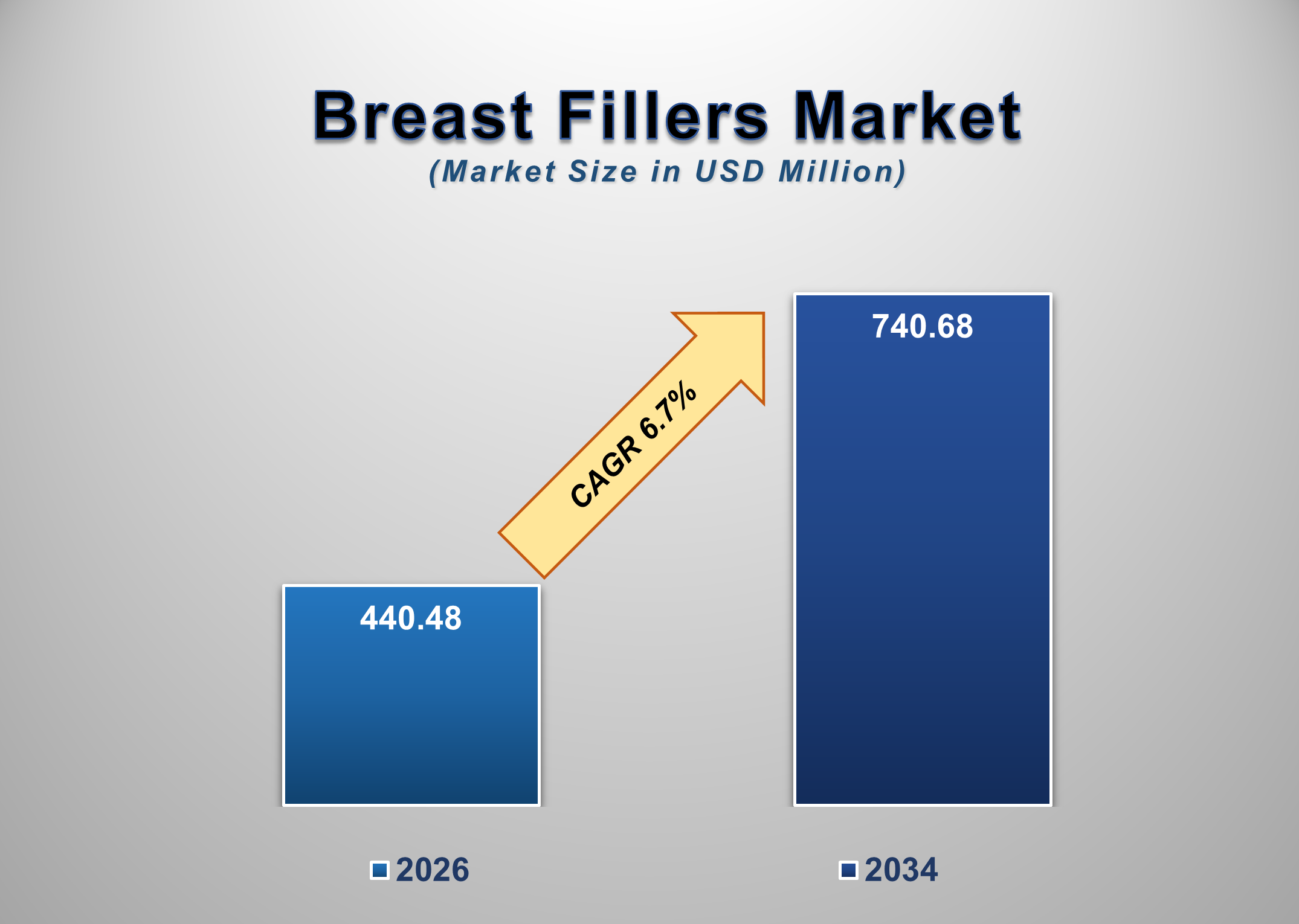
Breast fillers, primarily composed of hyaluronic acid and other biocompatible materials, are used to enhance breast volume, improve contour, and correct asymmetry without the need for surgical implants. These procedures are gaining popularity among individuals seeking temporary, less invasive alternatives with shorter recovery times and reduced procedural risks compared to traditional breast augmentation surgery.
The increasing global emphasis on physical
appearance and body aesthetics is a key factor driving market growth. Social
media influence, growing acceptance of cosmetic procedures, and advancements in
aesthetic medicine have encouraged more individuals to opt for injectable
breast enhancement treatments. Technological advancements in filler
formulations have improved safety, longevity, and natural-looking results,
further increasing consumer confidence and adoption.
The market is dominated by fillers based on
hyaluronic acid because of its excellent safety record, reversibility, and body
compatibility. These fillers are popular among patients and practitioners since
they temporarily increase volume while still being effective. The market is
also growing as a result of the expansion of medical aesthetic clinics, the
growing availability of qualified aesthetic specialists, and rising levels of
disposable income, especially in emerging markets.
North America has a significant regional
market share for breast fillers because of its large procedure volume, robust
presence of top aesthetic companies, and good consumer awareness. With its
sophisticated cosmetic infrastructure and rising demand for non-invasive
procedures, Europe comes in second. In the meantime, the Asia-Pacific area is
anticipated to increase at the fastest rate because of growing middle-class
populations, growing beauty consciousness, and growing use of cosmetic
operations in nations like China, Japan, and South Korea.
As a result, the market for breast fillers is anticipated to keep developing
gradually due to continuous product innovation, rising aesthetic acceptance,
and a global preference for non-surgical cosmetic enhancement strategies.
Breast Fillers Market Drivers and Opportunities
Rising Preference for Minimally
Invasive Cosmetic Procedures
The breast fillers market is primarily driven by the growing
consumer preference for minimally invasive cosmetic procedures. Due to concerns
about surgical risks, complications, scarring, and long recovery periods,
consumers are increasingly choosing non-surgical alternatives to traditional
breast augmentation. Breast fillers provide a safer and more convenient option,
with procedures typically completed quickly and requiring minimal recovery
time. Patients can resume their normal activities shortly after treatment,
making fillers especially appealing to working professionals and younger
consumers. Additionally, minimally invasive procedures are more affordable than
surgical implants, making them accessible to a wider population. Continuous
improvements in filler safety, effectiveness, and durability are further
supporting global adoption among both patients and aesthetic practitioners.
Growing Aesthetic Awareness and
Social Media Influence
Growing awareness of body aesthetics and physical appearance is a
major factor propelling the market for breast fillers. Consumer interest in
aesthetic enhancement operations has grown as a result of social media
platforms, celebrity influence, and beauty trends. People are actively looking
for procedures that improve their confidence and body contour since they are
increasingly aware of the non-surgical treatment options that are accessible.
Social stigma has decreased as cosmetic operations have become more common,
especially among metropolitan and younger consumers. Accessibility to these
procedures has also been enhanced by the growth of aesthetic clinics and the
availability of qualified specialists. Global demand for breast fillers is also
rising as a result of marketing initiatives by aesthetic clinics and
corporations as well as rising disposable income in emerging economies.
Expansion in Emerging
Markets
Growing disposable incomes, urbanization,
and the increasing acceptability of cosmetic operations in emerging economies
provide the breast fillers industry substantial potential prospects. The
growing middle class and changing beauty standards are driving up demand for
aesthetic procedures across the Middle East, Asia-Pacific, and Latin America.
Brazil, Thailand, and South Korea are becoming as key hubs for cosmetic
operations, and medical tourism is also driving industry expansion.
Furthermore, expanding expenditures on aesthetic clinics, practitioner training
courses, and distribution systems are enhancing product accessibility.
Manufacturers in these high-growth regions have significant potential to
increase their footprint and capture unexplored consumer niches as awareness
and affordability continue to improve.
Breast Fillers Market Scope
|
Report Attributes |
Description |
|
Market Size in 2026 |
USD 440.48 Million |
|
Market Forecast in 2034 |
USD 740.68 Million |
|
CAGR % 2026-2034 |
6.7% |
|
Base Year |
2025 |
|
Historic Data |
2021-2025 |
|
Forecast Period |
2026-2034 |
|
Report USP |
Comprehensive
global Breast Fillers Market size and forecast analysis with detailed
segmentation by product type, age group, end user, and geography. The report
provides in-depth insights into market share, competitive landscape, and
strategic positioning of key players. It includes analysis of growth drivers,
challenges, and emerging opportunities influencing market expansion. The
study evaluates technological advancements in hyaluronic acid and
biocompatible filler formulations, evolving consumer preferences toward
minimally invasive cosmetic procedures, and increasing adoption across
specialty and dermatology clinics. Additionally, the report offers regional
and country-level market trends, regulatory landscape assessment, and
strategic developments such as product launches, partnerships, and
expansions, enabling stakeholders, manufacturers, investors, and healthcare
providers to make informed business decisions |
|
Segments Covered |
●
By Type ●
By Age Group ●
By End User |
|
Regional Scope |
●
North America ●
Europe ●
APAC ●
Latin America ●
Middle East and Africa |
|
Country Scope |
1)
U.S. 2)
Canada 3)
U.K. 4)
Germany 5)
France 6)
Italy 7)
Spain 8)
Switzerland 9)
China 10) India 11) Japan 12) South Korea 13) Australia 14) Mexico 15) Brazil 16) Argentina 17) Saudi Arabia 18) UAE 19) South Africa |
Breast Fillers Market
Report Segmentation Analysis
The global breast fillers market
analysis is segmented by Type, Age Group, End User, and Region.
Hyaluronic Acid segment
dominated the market in 2025 and is projected to grow at the highest CAGR
during the forecast period.
By Type, the breast fillers market is segmented into hyaluronic acid and others. Hyaluronic acid dominates the breast fillers market due to its excellent safety profile, biocompatibility, and natural integration with body tissues. It is a naturally occurring substance in the human body that helps retain moisture and maintain skin volume and elasticity. When used as a breast filler, hyaluronic acid provides temporary volume enhancement, improved contour, and natural-looking results without invasive surgery. One of its key advantages is reversibility, as the filler can be dissolved using hyaluronidase if necessary, enhancing procedural safety. Additionally, hyaluronic acid fillers require minimal downtime, making them highly preferred among patients seeking non-surgical breast augmentation with predictable results and fewer complications.
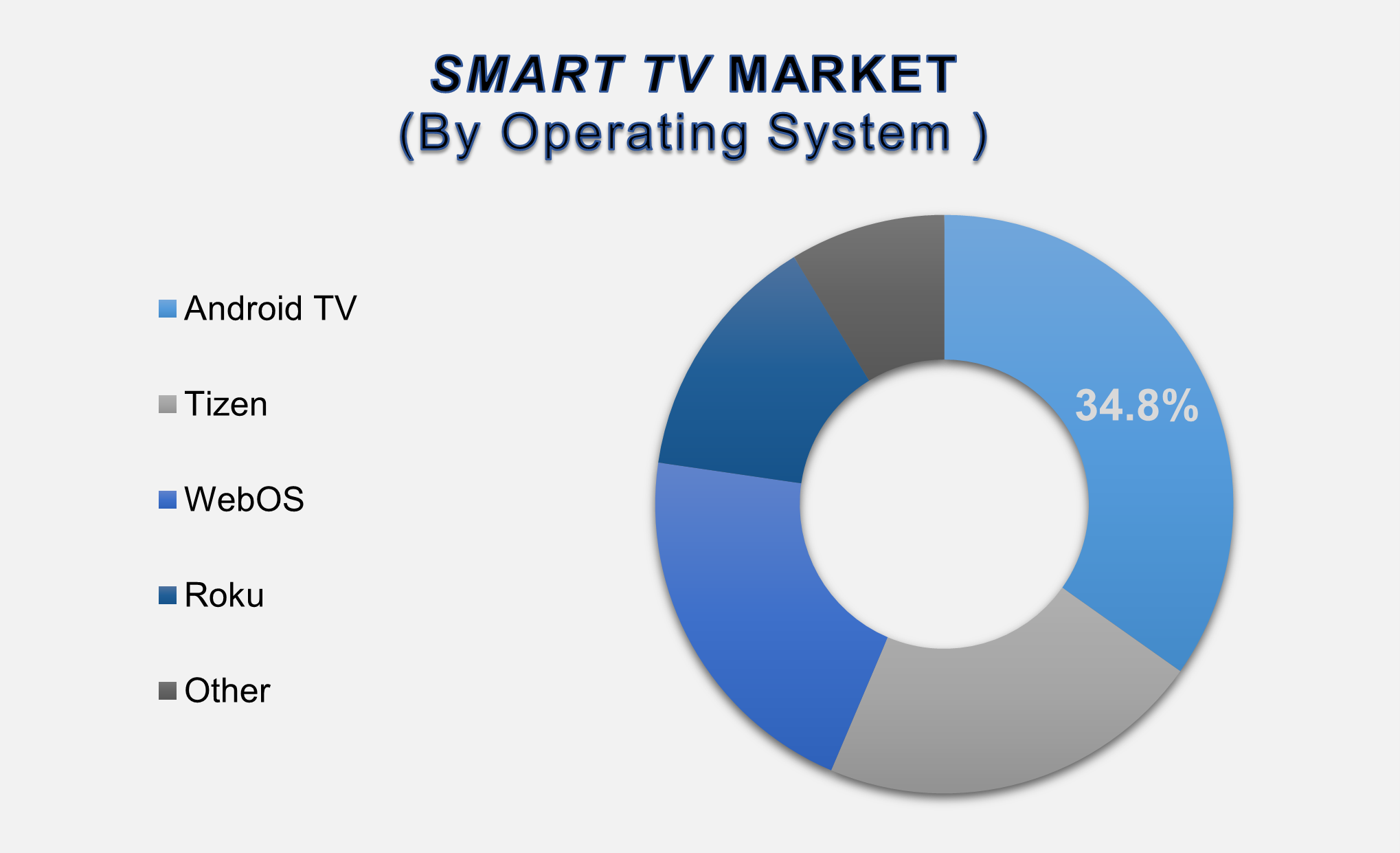
18 to 34 years holds the
highest share of the Age Group Segment over the forecast period
Based on Age Group, the market is
bifurcated into 18 to 34 years, 35 to 50
years and above 50 years. The 18 to 34 years segment accounts for the largest
share of the market. The breast fillers market is dominated by consumers
between the ages of 18 and 34, who are attracted to less invasive cosmetic
procedures and growing aesthetic consciousness. Social media, celebrity trends,
and changing beauty standards have a greater influence on people in this age
range, which promotes body contouring and enhancement procedures. Because
breast fillers are temporary, less risky, and require less recovery time than
surgical implants, many customers in this demographic prefer them. Younger
individuals also frequently prefer subtle, natural-looking outcomes to
long-term ones. Globally, this age group is using breast fillers more
frequently due to rising disposable income, increased access to aesthetic
clinics, and growing acceptability of cosmetic operations.
Specialty and Dermatology Clinics holds the highest share of the End
User Segment over the forecast period
Based on End User, the market is
bifurcated into specialty & dermatology clinics, hospitals, and others. The
specialty and dermatology clinics segment accounts for the largest share of the
market. They are the main suppliers of aesthetic non-surgical therapies. These
clinics provide cutting-edge cosmetic procedures carried out by qualified
dermatologists and aestheticians, guaranteeing excellent results and strict
safety regulations. In addition to their proficiency with injectable
treatments, availability of high-quality filler products, and individualized
treatment programs catered to each patient's demands, patients favor specialist
clinics. These clinics also have state-of-the-art equipment and adhere to
stringent sanitary standards, which boosts patient satisfaction and trust.
Access to breast filler procedures is becoming easier due to the expansion of
dermatological and aesthetic clinics, especially in cities. Additionally, the
importance of specialized and dermatological clinics in propelling market
expansion is being reinforced by growing consumer awareness and the growing
desire for minimally invasive cosmetic operations.
The following
segments are part of an in-depth analysis of the global Breast Fillers Market:
|
Market
Segments |
|
|
By
Type |
●
Hyaluronic acid ●
Others |
|
By
Age Group |
●
18 to 34 years ●
35 to 50 years ●
Above 50 years |
|
By
End User |
●
Hospitals ●
Specialty and
Dermatology Clinics ●
Others |
Breast Fillers Market Share Analysis by Region
North America region is
projected to hold the largest share of the global breast fillers market over
the forecast period.
North America is projected
to hold the largest share of the global breast fillers market during the
forecast period. High consumer awareness, strong demand for aesthetic
procedures, and advanced healthcare infrastructure are key drivers of regional
growth. The United States dominates the regional market due to the high number
of cosmetic procedures performed annually and the presence of major aesthetic
companies such as AbbVie and Galderma. Rising disposable income, increasing
emphasis on physical appearance, and growing acceptance of minimally invasive
procedures are further supporting market expansion. The region also benefits
from a well-established network of certified dermatologists and aesthetic
clinics. Continuous product innovation and regulatory approvals are contributing
to the increasing adoption of non-surgical breast enhancement procedures.
Global Breast Fillers Market Recent Developments News:
·
In September 2025, Allergan
Aesthetics (AbbVie) launched the “Naturally You with Injectable Hyaluronic
Acid Fillers” awareness and education campaign aimed at educating both
healthcare providers and consumers about the safety and benefits of hyaluronic
acid injectable fillers, strengthening category understanding and demand.
·
In January 2025, Allergan
Aesthetics introduced the AA Signature Program at IMCAS 2025, designed
to support personalized, multimodal treatment plans and enhance provider
engagement in holistic aesthetic services.
The Global Breast Fillers Market is dominated by a few large
companies, such as
·
AbbVie Inc. (Allergan Aesthetics)
·
Galderma S.A.
·
Merz Pharma GmbH & Co. KGaA
·
BioPlus Co., Ltd.
·
Dermax Co., Ltd.
·
Hangzhou Techderm Biological Products
Co., Ltd.
·
Godgel Medical Products Limited
·
Qufu Hi-Tech Trading Co., Ltd.
·
ASA Technology Co., Ltd.
·
SEVENDBIO
·
BIOTRH s.r.o
·
Bloomage Biotechnology Corp., Ltd.
·
LG Chem Ltd.
·
Sinclair Pharma plc
·
Croma Pharma GmbH
·
Prollenium Medical Technologies Inc.
·
Teoxane SA
·
Suneva Medical Inc.
·
Vivacy Laboratories
· Anika Therapeutics, Inc.
Frequently Asked Questions
Swetal (Research Analyst)
Swetal is a Research Analyst with 4+ years of experience specializing in healthcare market research, medical devices, healthcare IT, and medical technology industry analysis. Her expertise includes competitive intelligence, secondary research, market trend forecasting, and healthcare business insights across global healthcare ecosystems.
She contributes to advanced market research reports by analyzing regulatory frameworks, emerging healthcare technologies, competitive landscapes, and innovation trends shaping the medical industry. With a strong focus on accurate market intelligence, strategic insights, and healthcare industry trends, Swetal supports businesses in making informed, data-backed decisions in a rapidly transforming healthcare environment.
1.
Global Breast Fillers Market Introduction and Market Overview
1.1.
Objectives of the Study
1.2.
Global Breast Fillers Market Scope and Market Estimation
1.2.1.Global Breast
Fillers Overall Market Size (US$ Bn), Market CAGR (%), Market forecast (2025 - 2033)
1.2.2.Global Breast
Fillers Market Revenue Share (%) and Growth Rate (Y-o-Y) from 2020 - 2033
1.3.
Market Segmentation
1.3.1.Type of
Global Breast Fillers Market
1.3.2.Age Group of
Global Breast Fillers Market
1.3.3.End User of
Global Breast Fillers Market
1.3.4.Region of
Global Breast Fillers Market
2.
Executive
Summary
2.1.
Demand Side Trends
2.2.
Key Market Trends
2.3.
Market Demand (US$ Bn) Analysis 2020 – 2024 and Forecast, 2025 – 2033
2.4.
Demand and Opportunity Assessment
2.5.
Market Dynamics
2.5.1.Drivers
2.5.2.Limitations
2.5.3.Opportunities
2.5.4.Impact
Analysis of Drivers and Restraints
2.6.
Porter’s Five Forces Analysis
2.7.
PEST Analysis
2.8.
Key Regulation
2.9.
Key Developments
2.10. Value
Chain / Ecosystem Analysis
3.
Global
Breast Fillers Market Estimates & Historical Trend Analysis (2020 - 2024)
4. Global Breast Fillers Market Estimates & Forecast Trend Analysis, by Type
4.1.
Global Breast Fillers Market Revenue (US$ Bn) Estimates and
Forecasts, by Type, 2020 - 2033
4.1.1.Hyaluronic
acid
4.1.2.Others
5. Global Breast Fillers Market Estimates & Forecast Trend Analysis, by Age Group
5.1.
Global Breast Fillers Market Revenue (US$ Bn) Estimates and
Forecasts, by Age Group, 2020 - 2033
5.1.1.18 to 34
years
5.1.2.35 to 50
years
5.1.3.Above 50
years
6. Global Breast Fillers Market Estimates & Forecast Trend Analysis, by End User
6.1.
Global Breast Fillers Market Revenue (US$ Bn) Estimates and
Forecasts, by End User, 2020 - 2033
6.1.1.Hospitals
6.1.2.Specialty and
Dermatology Clinics
6.1.3.Others
7.
Global
Breast Fillers Market Estimates & Forecast Trend Analysis, by Region
7.1.
Global Breast Fillers Market Revenue (US$ Bn) Estimates and
Forecasts, by Region, 2020 - 2033
7.1.1.North America
7.1.2.Europe
7.1.3.Asia Pacific
7.1.4.Middle East
& Africa
7.1.5.Latin America
8.
North America Breast
Fillers Market: Estimates &
Forecast Trend Analysis
8.1.
North America Breast Fillers Market Assessments & Key Findings
8.1.1.North America
Breast Fillers Market Introduction
8.1.2.North America
Breast Fillers Market Size Estimates and Forecast (US$ Billion) (2020 - 2033)
8.1.2.1. By Type
8.1.2.2. By Age Group
8.1.2.3. By End User
8.1.2.4.
By Country
8.1.2.4.1.
The U.S.
8.1.2.4.2.
Canada
9.
Europe Breast
Fillers Market: Estimates &
Forecast Trend Analysis
9.1.
Europe Breast Fillers Market Assessments & Key Findings
9.1.1.Europe Breast
Fillers Market Introduction
9.1.2.Europe Breast
Fillers Market Size Estimates and Forecast (US$ Billion) (2020 - 2033)
9.1.2.1. By Type
9.1.2.2. By Age Group
9.1.2.3. By End User
9.1.2.4. By
Country
9.1.2.4.1.
Germany
9.1.2.4.2.
Italy
9.1.2.4.3.
U.K.
9.1.2.4.4.
France
9.1.2.4.5.
Spain
9.1.2.4.6.
Russia
9.1.2.4.7.
Rest
of Europe
10.
Asia Pacific Breast
Fillers Market: Estimates &
Forecast Trend Analysis
10.1. Asia
Pacific Breast Fillers Market Assessments & Key Findings
10.1.1.
Asia Pacific Breast Fillers Market Introduction
10.1.2.
Asia Pacific Breast Fillers Market Size Estimates and Forecast
(US$ Billion) (2020 - 2033)
10.1.2.1. By Type
10.1.2.2. By Age Group
10.1.2.3. By End User
10.1.2.4.
By Country
10.1.2.4.1.
China
10.1.2.4.2.
Japan
10.1.2.4.3.
India
10.1.2.4.4.
Australia
10.1.2.4.5.
South Korea
10.1.2.4.6. Rest
of Asia Pacific
11.
Middle East & Africa Breast Fillers Market:
Estimates & Forecast Trend Analysis
11.1. Middle
East & Africa Breast Fillers Market Assessments & Key Findings
11.1.1.
Middle East & Africa Breast
Fillers Market Introduction
11.1.2.
Middle East & Africa Breast
Fillers Market Size Estimates and Forecast (US$ Billion) (2020 - 2033)
11.1.2.1. By Type
11.1.2.2. By Age Group
11.1.2.3. By End User
11.1.2.4.
By Country
11.1.2.4.1.
UAE
11.1.2.4.2.
Saudi Arabia
11.1.2.4.3.
South Africa
11.1.2.4.4. Rest of MEA
12.
Latin America Breast
Fillers Market: Estimates &
Forecast Trend Analysis
12.1. Latin
America Event Industry Assessments & Key Findings
12.1.1.
Latin America Breast Fillers Market Introduction
12.1.2.
Latin America Breast Fillers Market Size Estimates and Forecast
(US$ Billion) (2020 - 2033)
12.1.2.1. By Type
12.1.2.2. By Age Group
12.1.2.3. By End User
12.1.2.4.
By Country
12.1.2.4.1.
Brazil
12.1.2.4.2.
Mexico
12.1.2.4.3.
Argentina
12.1.2.4.4. Rest of LATAM
13.
Country Wise Market: Introduction
14. Competition
Landscape
14.1. Global
Breast Fillers Market Product Mapping
14.2. Global
Breast Fillers Market Concentration Analysis, by Leading Players / Innovators /
Emerging Players / New Entrants
14.3. Global
Breast Fillers Market Tier Structure Analysis
14.4. Global
Breast Fillers Market Concentration & Company Market Shares (%) Analysis,
2024
15. Company
Profiles
15.1.
AbbVie Inc. (Allergan Aesthetics)
15.1.1.
Company Overview & Key Stats
15.1.2.
Financial Performance & KPIs
15.1.3.
Product Portfolio
15.1.4.
SWOT Analysis
15.1.5.
Business Strategy & Recent Developments
*
Similar details would be provided for all the players mentioned below
15.2.
Galderma S.A.
15.3.
Merz Pharma GmbH & Co. KGaA
15.4.
BioPlus Co., Ltd.
15.5.
Dermax Co., Ltd.
15.6.
Hangzhou Techderm Biological Products Co., Ltd.
15.7.
Godgel Medical Products Limited
15.8.
Qufu Hi-Tech Trading Co., Ltd.
15.9.
ASA Technology Co., Ltd.
15.10.
SEVENDBIO
15.11.
BIOTRH s.r.o
15.12.
Bloomage Biotechnology Corp., Ltd.
15.13.
LG Chem Ltd.
15.14.
Sinclair Pharma plc
15.15.
Croma Pharma GmbH
15.16.
Prollenium Medical Technologies Inc.
15.17.
Teoxane SA
15.18.
Suneva Medical Inc.
15.19.
Vivacy Laboratories
15.20.
Other Prominent Players
16.
Research
Methodology
16.1. External
Transportations / Databases
16.2. Internal
Proprietary Database
16.3. Primary
Research
16.4. Secondary
Research
16.5. Assumptions
16.6. Limitations
16.7. Report
FAQs
17.
Research
Findings & Conclusion
Our Research Methodology
"Insight without rigor is just noise."
We follow a comprehensive, multi-phase research framework designed to deliver accurate, strategic, and decision-ready intelligence. Our process integrates primary and secondary research , both quantitative and qualitative , along with dual modeling techniques ( top-down and bottom-up) and a final layer of validation through our proprietary in-house repository.
PRIMARY RESEARCH
Primary research captures real-time, firsthand insights from the market to understand behaviors, motivations, and emerging trends.
1. Quantitative Primary Research
Objective: Generate statistically significant data directly from market participants.
Approaches:- Structured surveys with customers, distributors, and field agents
- Mobile-based data collection for point-of-sale audits and usage behavior
- Phone-based interviews (CATI) for market sizing and product feedback
- Online polling around industry events and digital campaigns
- Purchase frequency by customer type
- Channel performance across geographies
- Feature demand by application or demographic
2. Qualitative Primary Research
Objective: Explore decision-making drivers, pain points, and market readiness.
Approaches:- In-depth interviews (IDIs) with executives, product managers, and key decision-makers
- Focus groups among end users and early adopters
- Site visits and observational research for consumer products
- Informal field-level discussions for regional and cultural nuances
SECONDARY RESEARCH
This phase helps establish a macro-to-micro understanding of market trends, size, regulation, and competitive dynamics, sourced from credible and public domain information.
1. Quantitative Secondary Research
Objective: Model market value and segment-level forecasts based on published data.
Sources include:- Financial reports and investor summaries
- Government trade data, customs records, and regulatory statistics
- Industry association publications and economic databases
- Channel performance and pricing data from marketplace listings
- Revenue splits, pricing trends, and CAGR estimates
- Supply-side capacity and volume tracking
- Investment analysis and funding benchmarks
2. Qualitative Secondary Research
Objective: Capture strategic direction, innovation signals, and behavioral trends.
Sources include:- Company announcements, roadmaps, and product pipelines
- Publicly available whitepapers, conference abstracts, and academic research
- Regulatory body publications and policy briefs
- Social and media sentiment scanning for early-stage shifts
- Strategic shifts in market positioning
- Unmet needs and white spaces
- Regulatory triggers and compliance impact
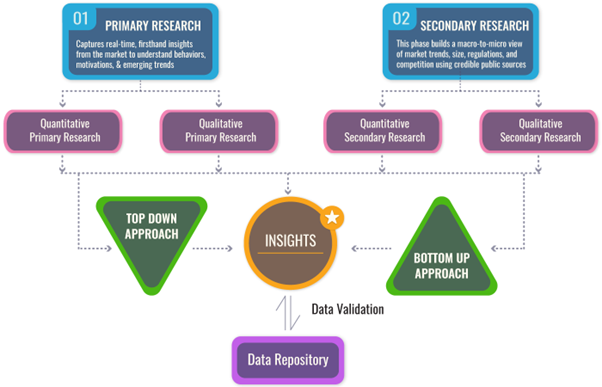
DUAL MODELING: TOP-DOWN + BOTTOM-UP
To ensure robust market estimation, we apply two complementary sizing approaches:
Top-Down Modeling:- Start with broader industry value (e.g., global or regional TAM)
- Apply filters by segment, geography, end-user, or use case
- Adjust with primary insights and validation benchmarks
- Ideal for investor-grade market scans and opportunity mapping
- Aggregate from the ground up using sales volumes, pricing, and unit economics
- Use internal modeling templates aligned with stakeholder data
- Incorporate distributor-level or region-specific inputs
- Most accurate for emerging segments and granular sub-markets
DATA VALIDATION: IN-HOUSE REPOSITORY
We close the loop with proprietary data intelligence built from ongoing projects, industry monitoring, and historical benchmarking. This repository includes:
- Multi-sector market and pricing models
- Key trendlines from past interviews and forecasts
- Benchmarked adoption rates, churn patterns, and ROI indicators
- Industry-specific deviation flags and cross-check logic
- Catches inconsistencies early
- Aligns projections across studies
- Enables consistent, high-trust deliverables