
Medical Face Shield Market Size and Forecast (2020–2033), Global and Regional Growth, Trend, Share, and Industry Analysis Report Coverage: By Product (Full Face Shields, Half Face Shields), By Material (Polycarbonate, Acetate, PET, Others), By End-user (Hospitals & Clinics, Diagnostic Laboratories, Ambulatory Surgical Centers, Others), And Geography
2026-01-14
Healthcare
Swetal (Research Analyst)
Description
Medical Face
Shield Market Overview
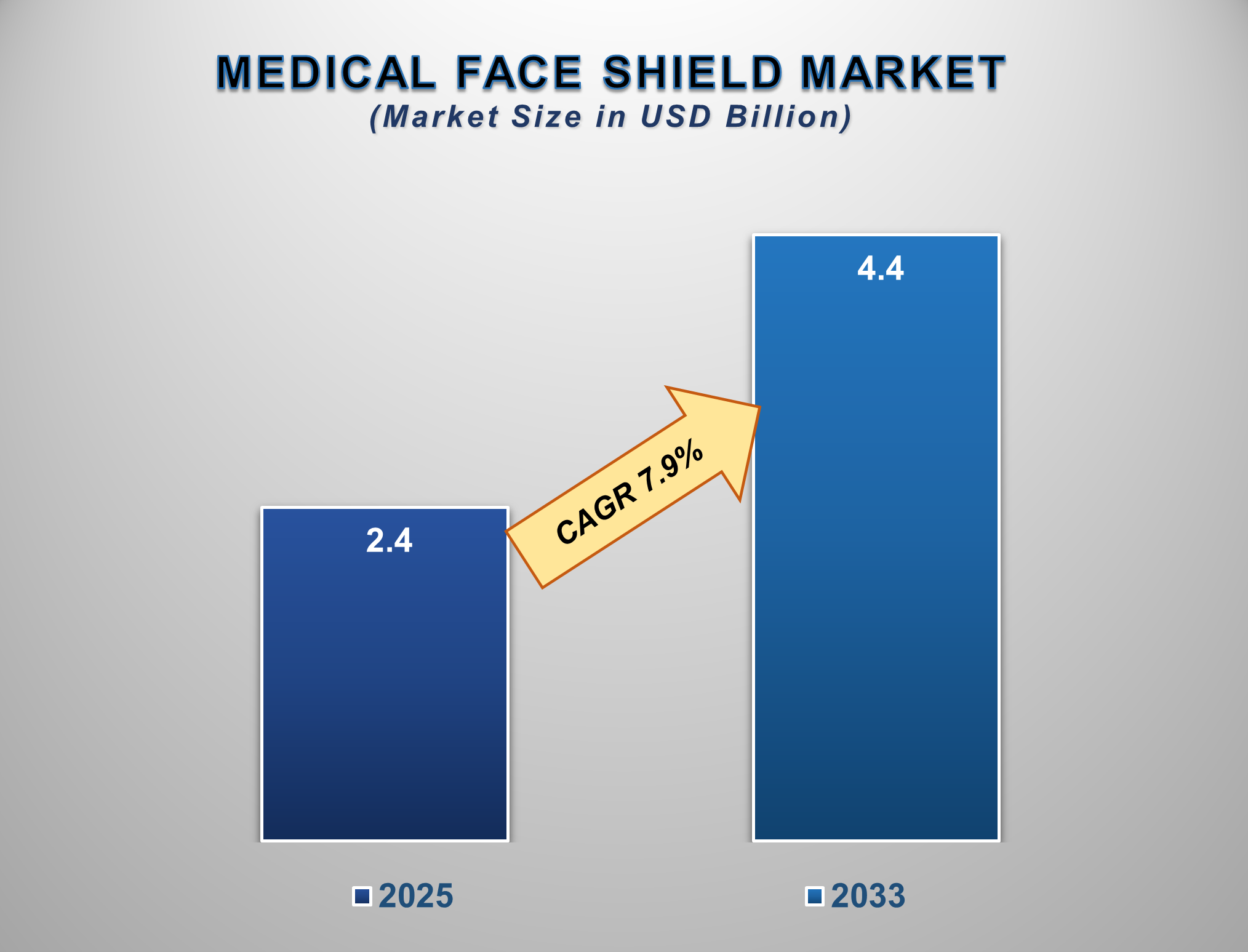
The Medical Face Shield Market is expected to witness steady growth from 2025 to 2033, driven by increasing awareness of infection prevention, rising healthcare worker safety concerns, and sustained demand for personal protective equipment (PPE) across healthcare settings. The market is estimated to be valued at approximately USD 2.4 billion in 2025 and is projected to reach around USD 4.4 billion by 2033, expanding at a CAGR of 7.9% during the forecast period.
Medical face shields are protective devices designed to
safeguard the face, eyes, nose, and mouth from exposure to infectious droplets,
splashes, and aerosols. Their use has become a standard infection control
practice in hospitals, diagnostic laboratories, and outpatient facilities,
particularly during surgical procedures, sample handling, and patient
interactions. Although demand surged significantly during the global pandemic period,
ongoing concerns related to healthcare-associated infections (HAIs) and
occupational safety are sustaining long-term adoption.
Healthcare systems worldwide are strengthening infection
prevention protocols, leading to routine usage of face shields alongside masks
and other PPE. Advancements in shield design,
such as anti-fog coatings, lightweight materials, reusable designs, and
enhanced comfort, are improving compliance
among healthcare professionals. North America and Europe represent established
markets due to strict safety regulations and high PPE standards, while
Asia-Pacific is expected to witness the fastest growth driven by expanding
healthcare infrastructure, rising healthcare expenditure, and increasing
preparedness for infectious disease outbreaks.
Medical Face Shield Market Drivers and
Opportunities
Rising Emphasis on Infection Control and Healthcare Worker
Safety Drives Market Growth
The growing focus on infection prevention and
occupational safety is a key driver of the medical face shield market.
Healthcare workers are routinely exposed to blood, body fluids, respiratory
droplets, and aerosols, particularly during surgical procedures, emergency
care, and diagnostic testing. Face shields provide an additional layer of
protection beyond masks, reducing the risk of cross-contamination and infection
transmission. Increasing awareness of HAIs and strict hospital safety protocols
has made face shields a standard component of
PPE kits. The rise in surgical volumes, emergency department visits, and
diagnostic procedures further supports sustained demand for medical-grade face
shields across healthcare facilities.
Regulatory Guidelines and Institutional Procurement Support
Adoption
Government agencies and healthcare regulatory
bodies across major markets have established guidelines recommending or
mandating the use of face shields in high-risk clinical environments. Hospitals
and healthcare systems are increasingly investing in bulk procurement of PPE to
ensure uninterrupted supply and compliance with safety standards. Accreditation
requirements and workplace safety regulations reinforce routine usage,
particularly in operating rooms, intensive care units, and laboratories. This institutionalized
procurement approach provides stable demand and encourages manufacturers to
develop standardized, certified products tailored to healthcare needs.
Product Innovation and Growth in Emerging Markets Create
Opportunities
Technological innovation and expanding
healthcare access in emerging economies present significant growth
opportunities. Manufacturers are focusing on ergonomic designs, reusable and
sterilizable shields, anti-scratch and anti-fog coatings, and sustainable
materials to meet evolving user preferences. The rapid expansion of hospitals,
ambulatory surgical centers, and diagnostic laboratories in Asia-Pacific, Latin
America, and the Middle East is increasing PPE consumption. Additionally,
rising investments in public health preparedness and stockpiling of essential
medical supplies are creating long-term opportunities for medical face shield
manufacturers.
Medical Face Shield Market Scope
|
Report Attributes |
Description |
|
Market Size in 2025 |
USD 2.4 Billion |
|
Market Forecast in 2033 |
USD 4.4 Billion |
|
CAGR % 2025-2033 |
7.9% |
|
Base Year |
2024 |
|
Historic Data |
2020-2024 |
|
Forecast Period |
2025-2033 |
|
Report USP |
Product Portfolio,
Technological Analysis, Company Market Share, Company Heatmap, Pricing
Analysis, Growth Factors, and more |
|
Segments Covered |
●
By Product ●
By Material ●
By End-user |
|
Regional Scope |
●
North America ●
Europe ●
APAC ●
Latin America ●
Middle East and
Africa |
|
Country Scope |
1)
U.S. 2)
Canada 3)
Germany 4)
UK 5)
France 6)
Spain 7)
Italy 8)
Switzerland 9)
China 10)
Japan 11)
India 12)
Australia 13)
South Korea 14)
Brazil 15)
Mexico 16)
Argentina 17)
South Africa 18)
Saudi Arabia 19)
UAE |
Medical Face Shield Market Report Segmentation
Analysis
The global
Medical Face Shield Market industry analysis is segmented by Product, by
Material, by End-user and by Region.
The Full Face Shield Segment Is Expected to Witness the
Fastest Growth
The full face shield segment is anticipated to grow at the
fastest pace due to its comprehensive coverage and higher level of protection
compared to partial designs. Full face shields protect the eyes, nose, mouth,
and facial skin from splashes, droplets, and aerosols, making them ideal for
high-risk medical procedures. Their widespread adoption in surgical settings,
emergency departments, and diagnostic laboratories is driven by enhanced safety
and regulatory recommendations. Improvements in lightweight materials,
ventilation, and comfort are further encouraging usage among healthcare
professionals who require extended wear during long shifts.
Polycarbonate Material Segment Is Anticipated to Hold the
Largest Market Share
Polycarbonate-based face shields are expected to hold the
largest market share due to their superior impact resistance, optical clarity,
and durability. These materials offer excellent protection while maintaining
clear visibility, which is critical during medical procedures. Polycarbonate
shields are also compatible with anti-fog and anti-scratch coatings, enhancing
usability. Their reusability and resistance to repeated disinfection make them
cost-effective for hospitals and clinics, supporting widespread adoption across
healthcare facilities.
Hospitals & Clinics Are Expected to Remain the Largest
End-user Segment
Hospitals and clinics are projected to remain the largest
end-user segment owing to high patient volumes and continuous exposure risks
for healthcare workers. These facilities require face shields for surgeries,
emergency care, inpatient treatment, and routine examinations. Strict infection
control policies and institutional PPE procurement programs further drive
demand. The presence of skilled medical staff and compliance with safety
regulations ensure consistent and large-scale usage of medical face shields in
hospital and clinical environments worldwide.
The
following segments are part of an in-depth analysis of the global Medical Face
Shield Market:
|
Market
Segments |
|
|
By
Product |
●
Full Face Shields ●
Half Face Shields |
|
By Material |
●
Polycarbonate ●
Acetate ●
PET ●
Others |
|
By End-user |
●
Hospitals &
Clinics ●
Diagnostic
Laboratories ●
Ambulatory Surgical
Centers ●
Others |
Medical Face Shield Market Share Analysis by
Region
North America Is Expected
to Dominate the Global Medical Face Shield Market
North America
dominates the global medical face shield market primarily due to strict
occupational safety regulations, high infection control awareness, and
well-established healthcare infrastructure, with the United States accounting
for the largest share. For example, agencies such as the U.S. Occupational
Safety and Health Administration (OSHA) and the Centers for Disease Control and
Prevention (CDC) mandate the use of appropriate personal protective equipment
(PPE), including face shields, during high-risk medical procedures involving
exposure to blood, bodily fluids, or airborne pathogens. As a result, hospitals
routinely procure face shields in bulk through long-term contracts with
suppliers such as 3M, Cardinal Health, and Medline Industries, ensuring
consistent demand.
Large
hospital networks and group purchasing organizations (GPOs) in the U.S. further
strengthen market dominance by standardizing PPE usage across facilities. For
instance, integrated delivery networks often require face shields for emergency
departments, surgical units, and intensive care units as part of mandatory
infection control protocols. In contrast, Europe follows closely, supported by
universal healthcare systems and regulatory bodies such as the European Centre
for Disease Prevention and Control (ECDC), which promotes PPE compliance across
member states. Meanwhile, Asia-Pacific is expected to grow fastest, driven by
hospital expansion in countries like India and China, increased medical tourism
in Thailand and Malaysia, and rising government investments in healthcare
preparedness and worker safety.
Medical Face Shield Market Competition Landscape
Analysis
The global medical face shield market is
moderately fragmented, with international PPE manufacturers and regional
players competing on product quality, certifications, pricing, and distribution
reach. Key strategies include product innovation, capacity expansion, and
partnerships with healthcare institutions and government agencies.
Global Medical Face Shield Market Recent Developments News:
o February 2025: 3M Company
introduced an advanced reusable medical face shield with enhanced anti-fog
coating for surgical applications.
o November 2024: Honeywell
International expanded its medical PPE production capacity to support rising
healthcare demand.
o September 2024: Alpha Pro
Tech launched lightweight, recyclable face shields targeting hospital and
laboratory use.
The Global Medical Face Shield Market Is
Dominated by a Few Large Companies, such as
●
3M Company
●
Honeywell
International Inc.
●
Alpha Pro Tech, Ltd.
●
Ansell Limited
●
DuPont de Nemours,
Inc.
●
Medline Industries, LP
●
Cardinal Health, Inc.
●
MSA Safety
Incorporated
●
Lakeland Industries,
Inc.
●
Kimberly-Clark
Corporation
●
Uvex Safety Group
●
Paul Boyé Technologies
●
Drägerwerk AG &
Co. KGaA
●
Gateway Safety, Inc.
● Other Prominent Players
Frequently Asked Questions
Swetal (Research Analyst)
Swetal is a Research Analyst with 4+ years of experience specializing in healthcare market research, medical devices, healthcare IT, and medical technology industry analysis. Her expertise includes competitive intelligence, secondary research, market trend forecasting, and healthcare business insights across global healthcare ecosystems.
She contributes to advanced market research reports by analyzing regulatory frameworks, emerging healthcare technologies, competitive landscapes, and innovation trends shaping the medical industry. With a strong focus on accurate market intelligence, strategic insights, and healthcare industry trends, Swetal supports businesses in making informed, data-backed decisions in a rapidly transforming healthcare environment.
..........
Our Research Methodology
"Insight without rigor is just noise."
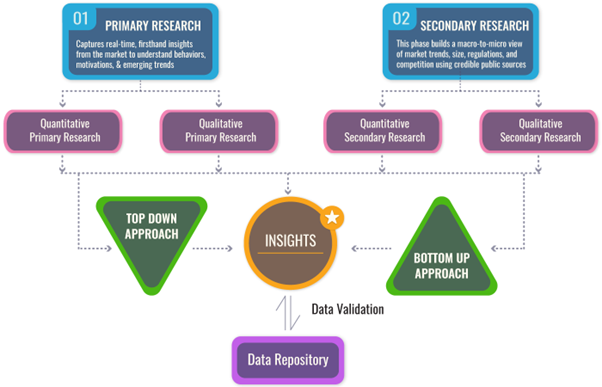
We follow a comprehensive, multi-phase research framework designed to deliver accurate, strategic, and decision-ready intelligence. Our process integrates primary and secondary research , both quantitative and qualitative , along with dual modeling techniques ( top-down and bottom-up) and a final layer of validation through our proprietary in-house repository.
PRIMARY RESEARCH
Primary research captures real-time, firsthand insights from the market to understand behaviors, motivations, and emerging trends.
1. Quantitative Primary Research
Objective: Generate statistically significant data directly from market participants.
Approaches:- Structured surveys with customers, distributors, and field agents
- Mobile-based data collection for point-of-sale audits and usage behavior
- Phone-based interviews (CATI) for market sizing and product feedback
- Online polling around industry events and digital campaigns
- Purchase frequency by customer type
- Channel performance across geographies
- Feature demand by application or demographic
2. Qualitative Primary Research
Objective: Explore decision-making drivers, pain points, and market readiness.
Approaches:- In-depth interviews (IDIs) with executives, product managers, and key decision-makers
- Focus groups among end users and early adopters
- Site visits and observational research for consumer products
- Informal field-level discussions for regional and cultural nuances
SECONDARY RESEARCH
This phase helps establish a macro-to-micro understanding of market trends, size, regulation, and competitive dynamics, sourced from credible and public domain information.
1. Quantitative Secondary Research
Objective: Model market value and segment-level forecasts based on published data.
Sources include:- Financial reports and investor summaries
- Government trade data, customs records, and regulatory statistics
- Industry association publications and economic databases
- Channel performance and pricing data from marketplace listings
- Revenue splits, pricing trends, and CAGR estimates
- Supply-side capacity and volume tracking
- Investment analysis and funding benchmarks
2. Qualitative Secondary Research
Objective: Capture strategic direction, innovation signals, and behavioral trends.
Sources include:- Company announcements, roadmaps, and product pipelines
- Publicly available whitepapers, conference abstracts, and academic research
- Regulatory body publications and policy briefs
- Social and media sentiment scanning for early-stage shifts
- Strategic shifts in market positioning
- Unmet needs and white spaces
- Regulatory triggers and compliance impact
DUAL MODELING: TOP-DOWN + BOTTOM-UP
To ensure robust market estimation, we apply two complementary sizing approaches:
Top-Down Modeling:- Start with broader industry value (e.g., global or regional TAM)
- Apply filters by segment, geography, end-user, or use case
- Adjust with primary insights and validation benchmarks
- Ideal for investor-grade market scans and opportunity mapping
- Aggregate from the ground up using sales volumes, pricing, and unit economics
- Use internal modeling templates aligned with stakeholder data
- Incorporate distributor-level or region-specific inputs
- Most accurate for emerging segments and granular sub-markets
DATA VALIDATION: IN-HOUSE REPOSITORY
We close the loop with proprietary data intelligence built from ongoing projects, industry monitoring, and historical benchmarking. This repository includes:
- Multi-sector market and pricing models
- Key trendlines from past interviews and forecasts
- Benchmarked adoption rates, churn patterns, and ROI indicators
- Industry-specific deviation flags and cross-check logic
- Catches inconsistencies early
- Aligns projections across studies
- Enables consistent, high-trust deliverables